
Stroke Prevention Strategies
Stroke Prevention Strategies: Effective Ways to Reduce Your Risk
Introduction
Stroke is one of the leading causes of death and long-term disability worldwide. It occurs when blood flow to the brain is interrupted, depriving brain cells of oxygen and nutrients. While stroke can happen suddenly, many of the factors that increase stroke risk are preventable or manageable.
The good news is that up to 80% of strokes can be prevented through healthy lifestyle choices and proper management of medical conditions. Understanding stroke prevention strategies can help you protect your brain health, improve your overall well-being, and reduce the likelihood of experiencing a life-changing stroke.
In this article, we explore the most effective ways to lower your stroke risk and maintain a healthy future.
Why Stroke Prevention Matters
A stroke can have devastating consequences, including:
- Paralysis or weakness
- Speech and communication difficulties
- Memory problems
- Vision impairment
- Reduced independence
- Emotional and psychological challenges
Preventing stroke is often easier and more effective than treating its long-term complications. By taking proactive steps today, you can significantly reduce your risk and enjoy a healthier life.
Understand Your Stroke Risk Factors
Stroke risk factors are generally divided into two categories:
Non-Modifiable Risk Factors
These are factors that cannot be changed:
- Increasing age
- Family history of stroke
- Gender
- Previous stroke or transient ischemic attack (TIA)
- Certain genetic conditions
Although these factors cannot be controlled, awareness helps individuals take extra preventive measures.
Modifiable Risk Factors
These are factors that can be managed through lifestyle changes and medical treatment:
- High blood pressure
- Diabetes
- High cholesterol
- Smoking
- Obesity
- Physical inactivity
- Heart disease
- Excessive alcohol consumption
Addressing these risk factors is the foundation of stroke prevention.
1. Control High Blood Pressure
High blood pressure is the single most important risk factor for stroke.
When blood pressure remains elevated over time, it damages blood vessels and increases the likelihood of blockages or ruptures within the brain.
Tips for Managing Blood Pressure
- Monitor your blood pressure regularly.
- Reduce salt intake.
- Exercise consistently.
- Maintain a healthy weight.
- Take prescribed medications as directed.
- Manage stress effectively.
Keeping blood pressure within a healthy range can dramatically reduce stroke risk.
2. Adopt a Heart-Healthy Diet
What you eat has a direct impact on your cardiovascular and brain health.
A balanced diet helps control blood pressure, cholesterol, blood sugar levels, and body weight.
Foods That Support Stroke Prevention
- Fresh fruits and vegetables
- Whole grains
- Lean proteins
- Fish rich in omega-3 fatty acids
- Nuts and seeds
- Low-fat dairy products
Foods to Limit
- Processed foods
- Sugary beverages
- Excess salt
- Fried foods
- Saturated and trans fats
A nutrient-rich diet supports healthy blood vessels and reduces the risk of stroke.
3. Stay Physically Active
Regular physical activity improves circulation, strengthens the heart, and helps control several stroke risk factors.
Experts recommend at least 150 minutes of moderate exercise per week.
Beneficial Activities Include
- Brisk walking
- Cycling
- Swimming
- Yoga
- Dancing
- Strength training
Even small increases in daily activity can provide significant health benefits.
4. Maintain a Healthy Weight
Being overweight or obese increases the risk of stroke by contributing to high blood pressure, diabetes, and heart disease.
Healthy Weight Management Tips
- Follow a balanced diet.
- Exercise regularly.
- Avoid crash diets.
- Monitor portion sizes.
- Seek professional guidance if needed.
Gradual and sustainable weight loss is often the most effective approach.
5. Quit Smoking
Smoking damages blood vessels, increases blood pressure, and promotes blood clot formation.
Smokers are significantly more likely to experience a stroke compared to non-smokers.
Benefits of Quitting Smoking
- Improved circulation
- Lower blood pressure
- Reduced clotting risk
- Better heart and lung health
- Decreased stroke risk over time
It’s never too late to stop smoking and improve your health.
6. Limit Alcohol Consumption
Excessive alcohol intake can increase blood pressure and contribute to irregular heart rhythms that raise stroke risk.
Recommendations
- Drink in moderation if you choose to consume alcohol.
- Avoid binge drinking.
- Discuss alcohol use with your healthcare provider if necessary.
Moderation plays an important role in maintaining cardiovascular health.
7. Manage Diabetes Effectively
Diabetes can damage blood vessels and increase the likelihood of stroke.
People with poorly controlled diabetes often have additional risk factors such as obesity, high cholesterol, and hypertension.
Diabetes Management Strategies
- Monitor blood sugar levels regularly.
- Follow prescribed treatment plans.
- Maintain a healthy diet.
- Exercise consistently.
- Attend routine medical checkups.
Proper diabetes control helps protect both the brain and cardiovascular system.
8. Monitor Cholesterol Levels
High cholesterol can lead to plaque buildup inside arteries, restricting blood flow to the brain.
Ways to Improve Cholesterol Levels
- Reduce saturated fats.
- Increase dietary fiber.
- Stay physically active.
- Maintain a healthy weight.
- Take prescribed medications if necessary.
Healthy cholesterol levels contribute to healthier arteries and lower stroke risk.
9. Address Heart Conditions
Certain heart conditions, especially atrial fibrillation (AFib), significantly increase the risk of stroke.
AFib can cause blood clots to form in the heart, which may travel to the brain.
Important Steps
- Attend regular cardiac evaluations.
- Follow treatment recommendations.
- Take blood-thinning medications when prescribed.
- Report unusual symptoms promptly.
Managing heart health is a critical part of stroke prevention.
10. Manage Stress and Prioritize Mental Well-Being
Chronic stress can negatively affect blood pressure, sleep quality, and lifestyle habits.
Healthy Stress Management Techniques
- Meditation
- Deep breathing exercises
- Yoga
- Spending time outdoors
- Hobbies and recreation
- Social support networks
Mental wellness contributes significantly to overall cardiovascular health.
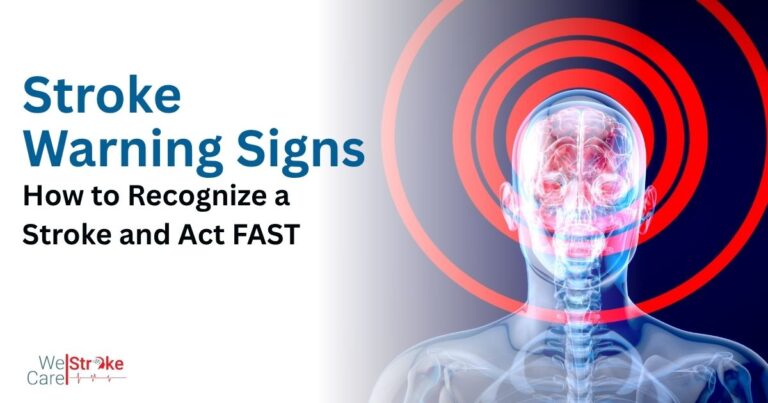
Recognize Early Warning Signs of Stroke
Knowing the warning signs of stroke can save lives.
Remember the acronym FAST:
F – Face Drooping
One side of the face appears uneven or numb.
A – Arm Weakness
One arm becomes weak or difficult to lift.
S – Speech Difficulty
Speech becomes slurred or difficult to understand.
T – Time to Seek Emergency Help
Immediate medical attention is essential.
Prompt treatment can reduce brain damage and improve recovery outcomes.
The Importance of Regular Health Checkups
Routine medical examinations help identify hidden risk factors before they lead to serious complications.
Regular screenings can monitor:
- Blood pressure
- Blood sugar
- Cholesterol levels
- Heart rhythm abnormalities
- Overall cardiovascular health
Early detection allows for timely intervention and better prevention.
Conclusion
Stroke prevention begins with healthy daily choices and proper management of medical conditions. By controlling blood pressure, maintaining a nutritious diet, staying physically active, avoiding smoking, managing diabetes, and monitoring heart health, individuals can dramatically reduce their stroke risk.
While some risk factors cannot be changed, many are within your control. Taking preventive action today can protect your brain, preserve your independence, and improve your quality of life for years to come.
Remember, preventing a stroke is often possible—and every healthy choice brings you one step closer to a healthier future.