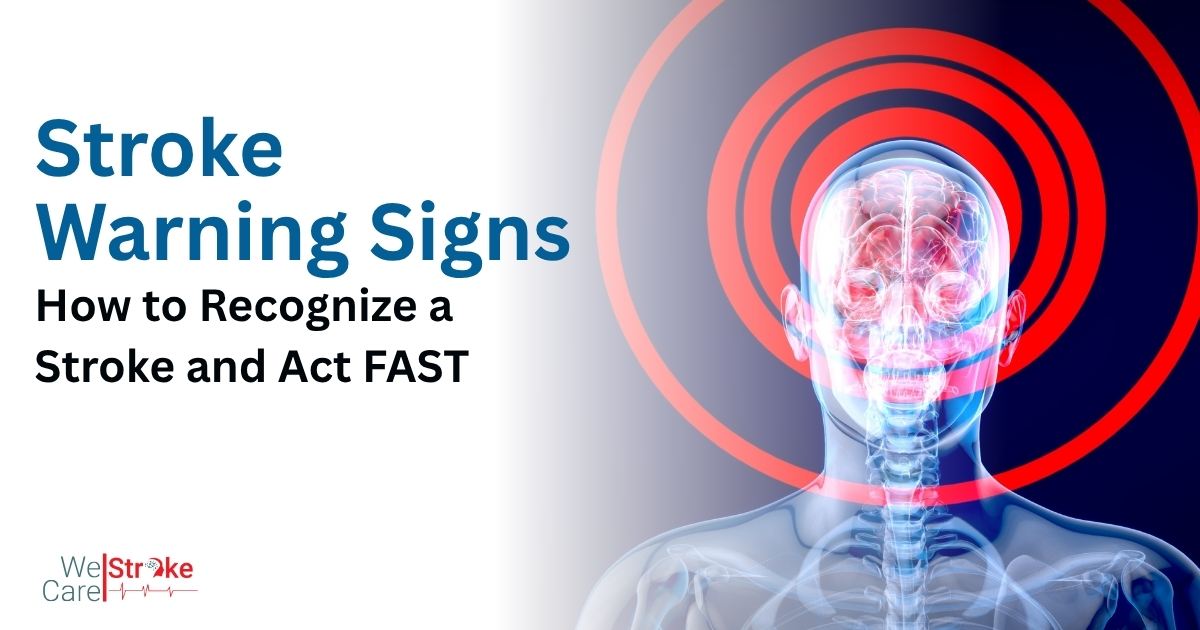
Stroke Warning Signs: How to Recognize a Stroke and Act FAST
A stroke is a medical emergency that occurs when the blood supply to a part of the brain is interrupted or reduced. Without oxygen and nutrients, brain cells begin to die within minutes. Acting quickly can save a life and significantly reduce the risk of permanent disability.
Knowing the warning signs of a stroke and using the FAST method can help you recognize the symptoms early and seek immediate medical care.
What Is a Stroke?
A stroke happens when the brain does not receive enough blood and oxygen. There are two main types of stroke:
- Ischemic Stroke: Caused by a blockage in a blood vessel supplying the brain. This is the most common type.
- Hemorrhagic Stroke: Caused by bleeding in or around the brain due to a ruptured blood vessel.
Both types require urgent medical treatment.
Stroke Warning Signs
Stroke symptoms usually appear suddenly. The most common warning signs include:
- Sudden weakness or numbness in the face, arm, or leg, especially on one side of the body
- Difficulty speaking or understanding speech
- Sudden confusion
- Blurred or loss of vision in one or both eyes
- Difficulty walking, dizziness, or loss of balance
- A sudden, severe headache with no known cause
If you notice any of these symptoms, do not wait to see if they improve.
Remember the FAST Method
The easiest way to recognize a stroke is by using the FAST acronym:
F – Face Drooping
Ask the person to smile. Does one side of the face droop or appear uneven?
A – Arm Weakness
Ask them to raise both arms. Does one arm drift downward or feel weak?
S – Speech Difficulty
Ask them to repeat a simple sentence. Is their speech slurred, unclear, or difficult to understand?
T – Time to Call Emergency Services
If you notice any of these signs, seek emergency medical help immediately. Every minute counts because early treatment can reduce brain damage and improve recovery.
Who Is at Risk of Stroke?
Anyone can have a stroke, but certain factors increase the risk, including:
- High blood pressure
- Diabetes
- High cholesterol
- Smoking
- Heart disease
- Obesity
- Physical inactivity
- Excessive alcohol consumption
- Increasing age
- Family history of stroke
Managing these risk factors can significantly lower your chances of having a stroke.
Why Acting Quickly Is So Important
Stroke treatments are most effective when started as early as possible. In many cases, clot-busting medications or other emergency procedures can restore blood flow to the brain if provided within the recommended treatment window.
Delaying medical care increases the risk of:
- Permanent brain damage
- Paralysis
- Speech and memory problems
- Long-term disability
- Death
Never ignore or delay treatment for stroke symptoms, even if they disappear after a few minutes.
How Is a Stroke Diagnosed?
After arriving at the hospital, doctors may perform:
- A neurological examination
- CT Scan or MRI of the brain
- Blood tests
- Heart evaluation (ECG)
- Blood vessel imaging if required
These tests help determine the type of stroke and the most appropriate treatment.
Can Stroke Be Prevented?
Many strokes are preventable through healthy lifestyle choices.
You can reduce your risk by:
- Controlling high blood pressure
- Managing diabetes and cholesterol
- Eating a balanced diet
- Exercising regularly
- Quitting smoking
- Limiting alcohol intake
- Maintaining a healthy weight
- Taking prescribed medications regularly
Regular health check-ups are especially important if you have risk factors for stroke.
Final Thoughts
A stroke is a life-threatening medical emergency where every second matters. Recognizing the warning signs early and remembering the FAST method can help save lives and reduce the risk of long-term disability.
If you or someone around you experiences sudden weakness, speech problems, vision changes, or loss of balance, seek emergency medical care immediately. Early treatment offers the best chance for recovery and can make a life-changing difference.
Frequently Asked Questions
- What is the first sign of a stroke?
The first sign is often sudden weakness or numbness on one side of the body, difficulty speaking, or facial drooping.
- What does FAST stand for?
FAST stands for Face drooping, Arm weakness, Speech difficulty, and Time to call emergency services.
- Can stroke symptoms go away on their own?
Sometimes symptoms disappear within minutes due to a transient ischemic attack (TIA), also known as a mini-stroke. Even if symptoms improve, immediate medical evaluation is essential because a TIA can be a warning sign of a major stroke.
- Can young adults have a stroke?
Yes. Although stroke is more common in older adults, it can occur at any age, especially in people with certain medical conditions or lifestyle-related risk factors.