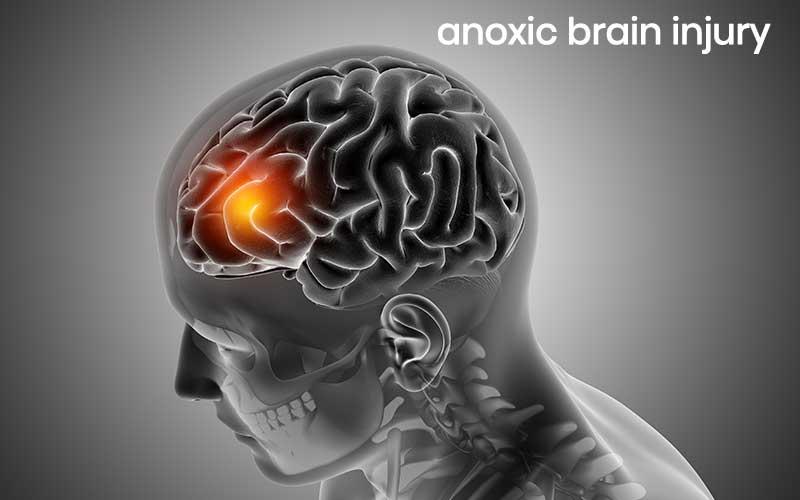
Understanding Brain Stroke
Understanding Brain Stroke: Causes, Symptoms, Treatment, and Prevention
What is a Brain Stroke?
A brain stroke, commonly known as a stroke, is a serious medical emergency that occurs when the blood supply to a part of the brain is interrupted or reduced. Without adequate blood flow, brain cells begin to die within minutes, potentially leading to permanent brain damage, disability, or even death.
Stroke is one of the leading causes of death and long-term disability worldwide. However, recognizing the warning signs early and seeking immediate medical attention can significantly improve outcomes and save lives.
How Does a Stroke Affect the Brain?
The brain requires a constant supply of oxygen-rich blood to function properly. When blood flow is blocked or a blood vessel ruptures, the affected part of the brain does not receive the oxygen and nutrients it needs.
As a result, brain cells begin to die rapidly, affecting functions controlled by that area of the brain, such as:
- Movement and coordination
- Speech and language
- Memory and thinking
- Vision
- Balance and sensation
The extent of damage depends on the location and severity of the stroke.
Types of Brain Stroke
1. Ischemic Stroke
Ischemic stroke is the most common type, accounting for approximately 85% of all strokes.
It occurs when a blood clot blocks an artery supplying blood to the brain. The blockage may develop in the brain’s arteries or travel from another part of the body.
Common causes include:
- High cholesterol
- Atherosclerosis (narrowing of arteries)
- Heart disease
- Atrial fibrillation
- Diabetes
2. Hemorrhagic Stroke
A hemorrhagic stroke occurs when a blood vessel in the brain bursts, causing bleeding into or around the brain tissue.
Common causes include:
- Uncontrolled high blood pressure
- Brain aneurysms
- Head injuries
- Blood clotting disorders
3. Transient Ischemic Attack (TIA)
Often called a “mini-stroke,” a TIA is caused by a temporary blockage of blood flow to the brain.
Symptoms usually last a few minutes to a few hours and disappear completely. However, a TIA should never be ignored because it is often a warning sign of a future major stroke.
Common Symptoms of Brain Stroke
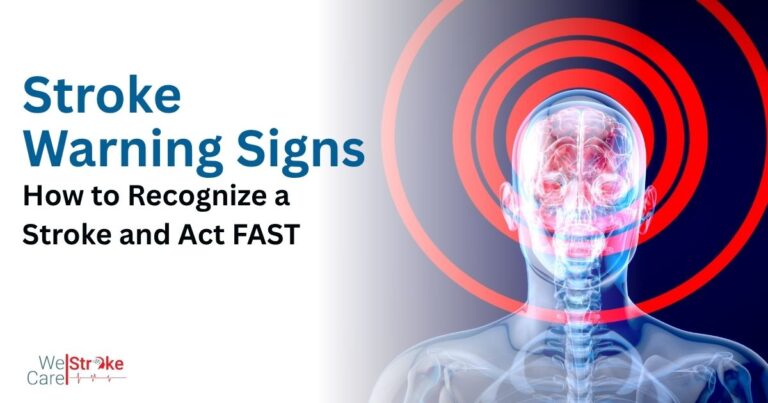
Recognizing stroke symptoms quickly can save a life. The easiest way to identify a stroke is by remembering the acronym FAST:
F – Face Drooping
One side of the face may droop or feel numb.
A – Arm Weakness
One arm may become weak or numb.
S – Speech Difficulty
Speech may become slurred or difficult to understand.
T – Time to Call Emergency Services
Immediate medical treatment is critical.
Other symptoms may include:
- Sudden severe headache
- Dizziness or loss of balance
- Blurred or double vision
- Difficulty walking
- Confusion
- Sudden numbness on one side of the body
- Trouble understanding speech
Major Risk Factors for Stroke
Several factors increase the likelihood of experiencing a stroke.
Medical Risk Factors
- High blood pressure
- Diabetes
- High cholesterol
- Heart disease
- Obesity
- Sleep apnea
Lifestyle Risk Factors
- Smoking
- Excessive alcohol consumption
- Physical inactivity
- Poor diet
- Chronic stress
Non-Modifiable Risk Factors
- Increasing age
- Family history of stroke
- Gender
- Previous stroke or TIA
Diagnosis of Brain Stroke
When a patient arrives at the hospital with suspected stroke symptoms, doctors perform several tests to determine the type and severity of the stroke.
Diagnostic tests may include:
- CT Scan
- MRI Scan
- Carotid Ultrasound
- Blood Tests
- Echocardiogram
- CT Angiography
- MR Angiography
Early diagnosis helps doctors choose the most effective treatment strategy.
Brain Stroke Treatment
Treatment for Ischemic Stroke
The primary goal is to restore blood flow to the brain as quickly as possible.
Treatment options include:
- Clot-busting medications (Thrombolysis)
- Mechanical thrombectomy
- Blood-thinning medications
- Management of underlying risk factors
Treatment for Hemorrhagic Stroke
Treatment focuses on controlling bleeding and reducing pressure inside the brain.
Options may include:
- Blood pressure control
- Surgery to repair damaged blood vessels
- Removal of blood accumulation
- Intensive monitoring and supportive care
Stroke Rehabilitation
Recovery after a stroke varies from person to person. Rehabilitation plays a crucial role in helping patients regain independence.
Stroke rehabilitation may involve:
Physical Therapy
Improves strength, mobility, and balance.
Occupational Therapy
Helps patients perform daily activities independently.
Speech Therapy
Assists with communication and swallowing difficulties.
Psychological Support
Addresses emotional and mental health challenges following stroke.
Can Brain Stroke Be Prevented?
The good news is that many strokes can be prevented through healthy lifestyle choices and proper management of medical conditions.
Effective Stroke Prevention Tips
- Monitor and control blood pressure.
- Maintain healthy cholesterol levels.
- Keep diabetes under control.
- Exercise regularly.
- Eat a balanced diet rich in fruits and vegetables.
- Avoid smoking.
- Limit alcohol consumption.
- Maintain a healthy weight.
- Manage stress effectively.
- Get regular health checkups.
When Should You Seek Immediate Medical Attention?
Never ignore symptoms of stroke, even if they disappear after a few minutes. Early treatment can significantly reduce brain damage and improve recovery outcomes.
If you notice facial drooping, arm weakness, speech difficulty, sudden vision changes, severe headache, or loss of balance, seek emergency medical care immediately.
Conclusion
A brain stroke is a life-threatening condition that requires immediate medical attention. Understanding its causes, symptoms, risk factors, and treatment options can help save lives and reduce the burden of long-term disability.
Remember, every minute counts during a stroke. Recognizing the warning signs early and acting quickly can make the difference between recovery and permanent disability. By adopting a healthy lifestyle and managing underlying health conditions, you can significantly reduce your risk of stroke and protect your brain health for years to come.